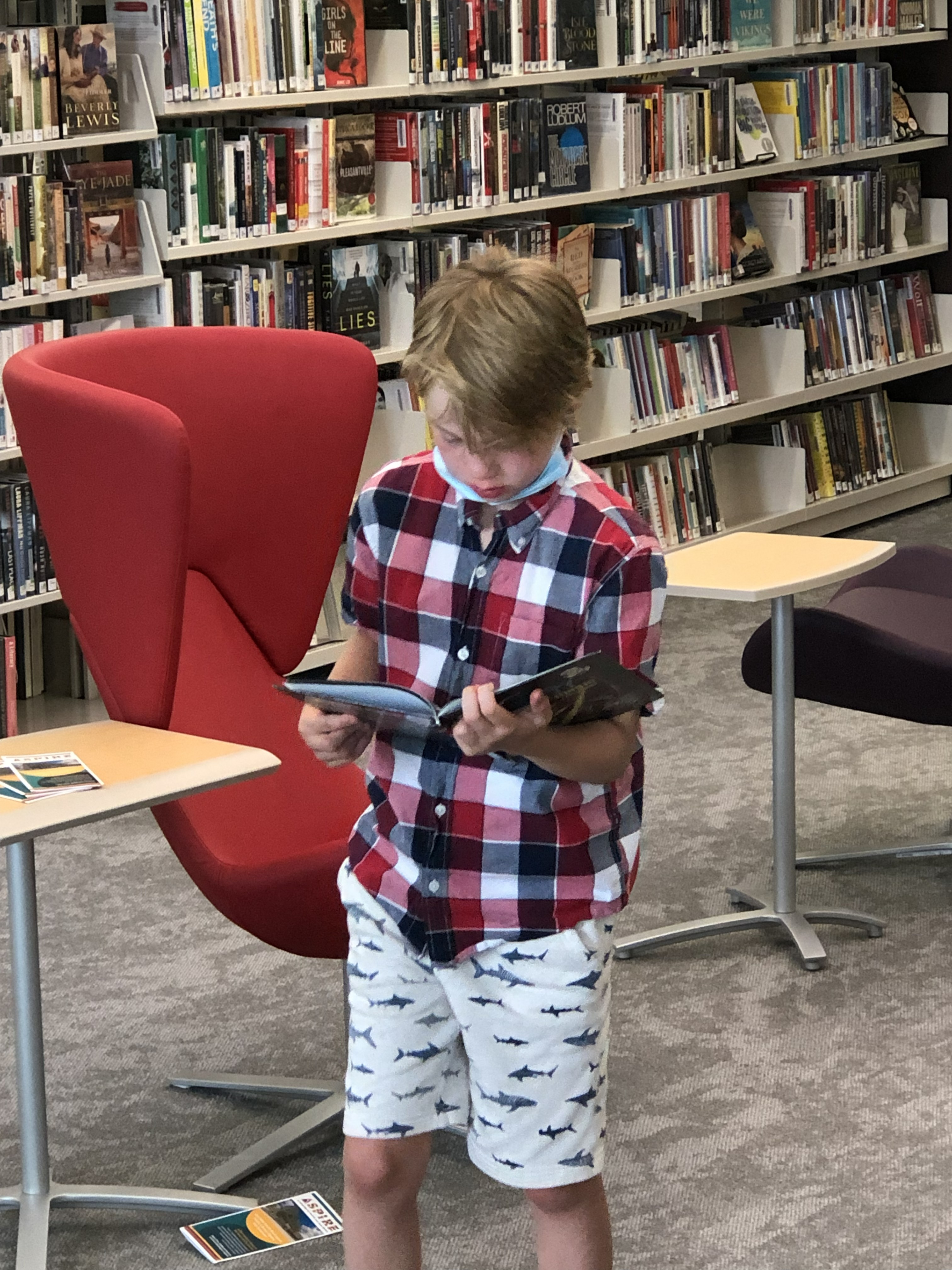
He loved books.
But he couldn’t read them alone.
His teachers did their best.
But they had other students —
and there were only so many hours in the day.
One student needs one human reader. Every single time.
That costs $25/hr. Schools can’t afford it.
Parents can’t always be there.
But we’re in the age of physical AI.
How else might we approach the problem?
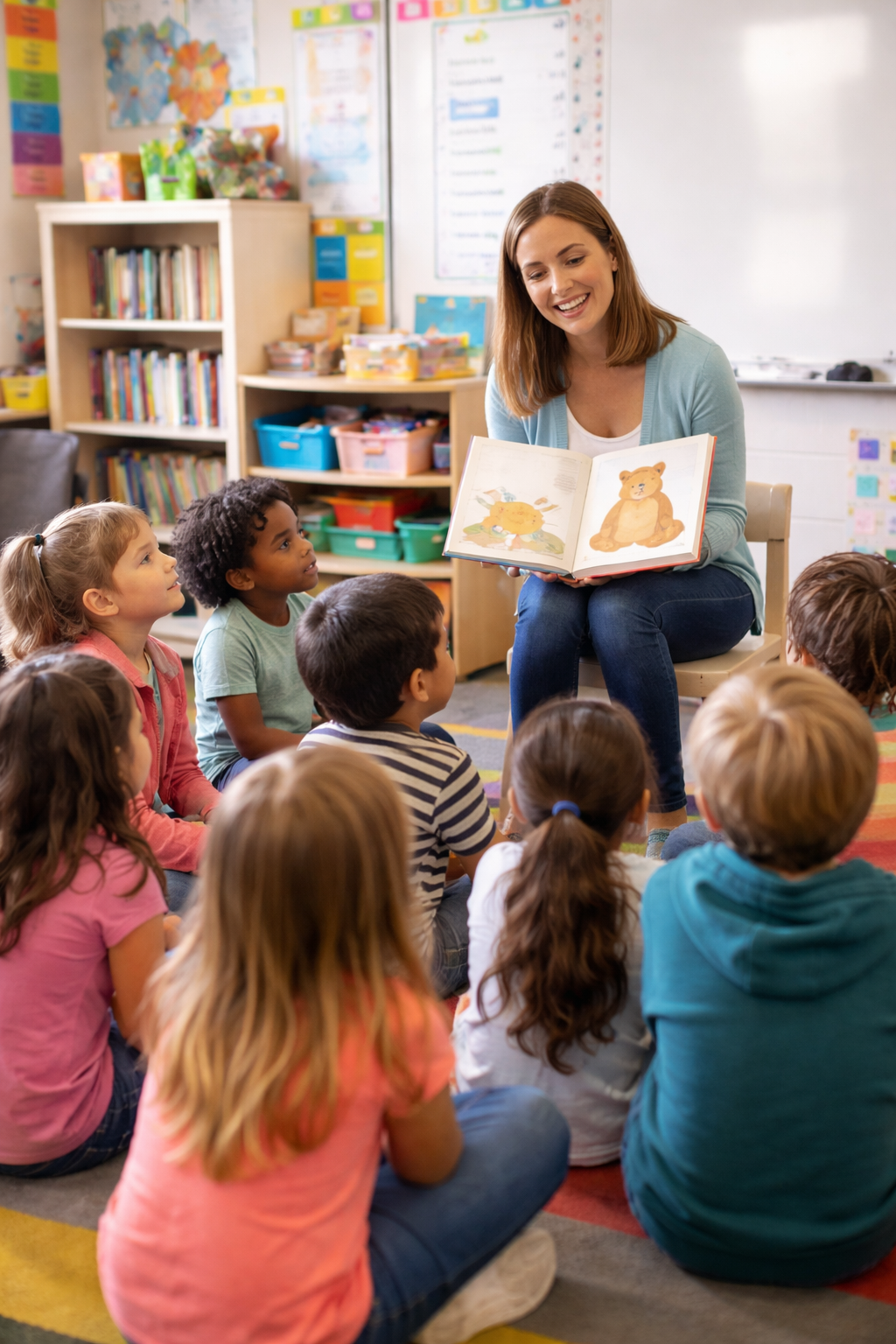
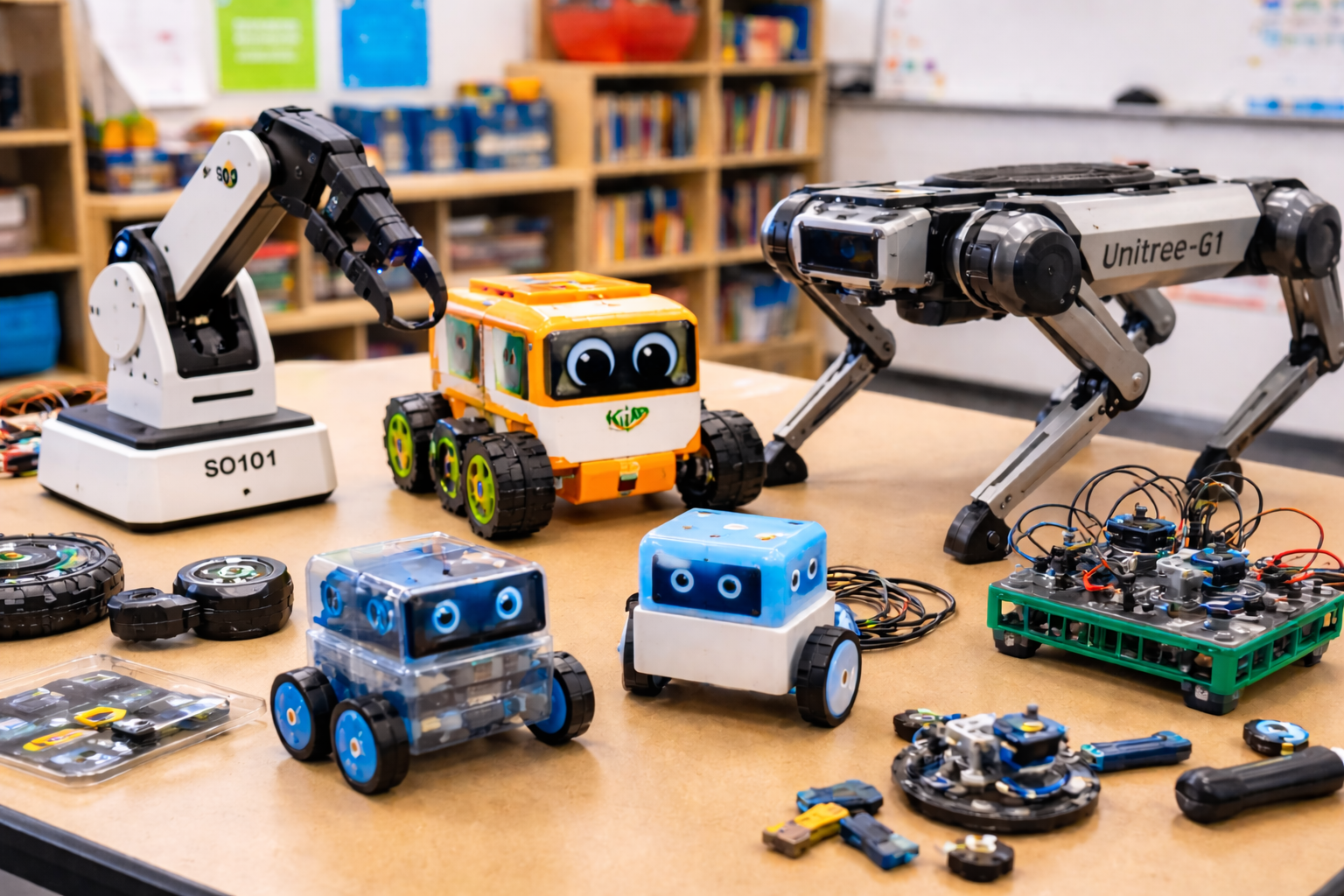
The Solution
The Reading Robot
A robot arm that opens books, turns pages, and reads aloud.
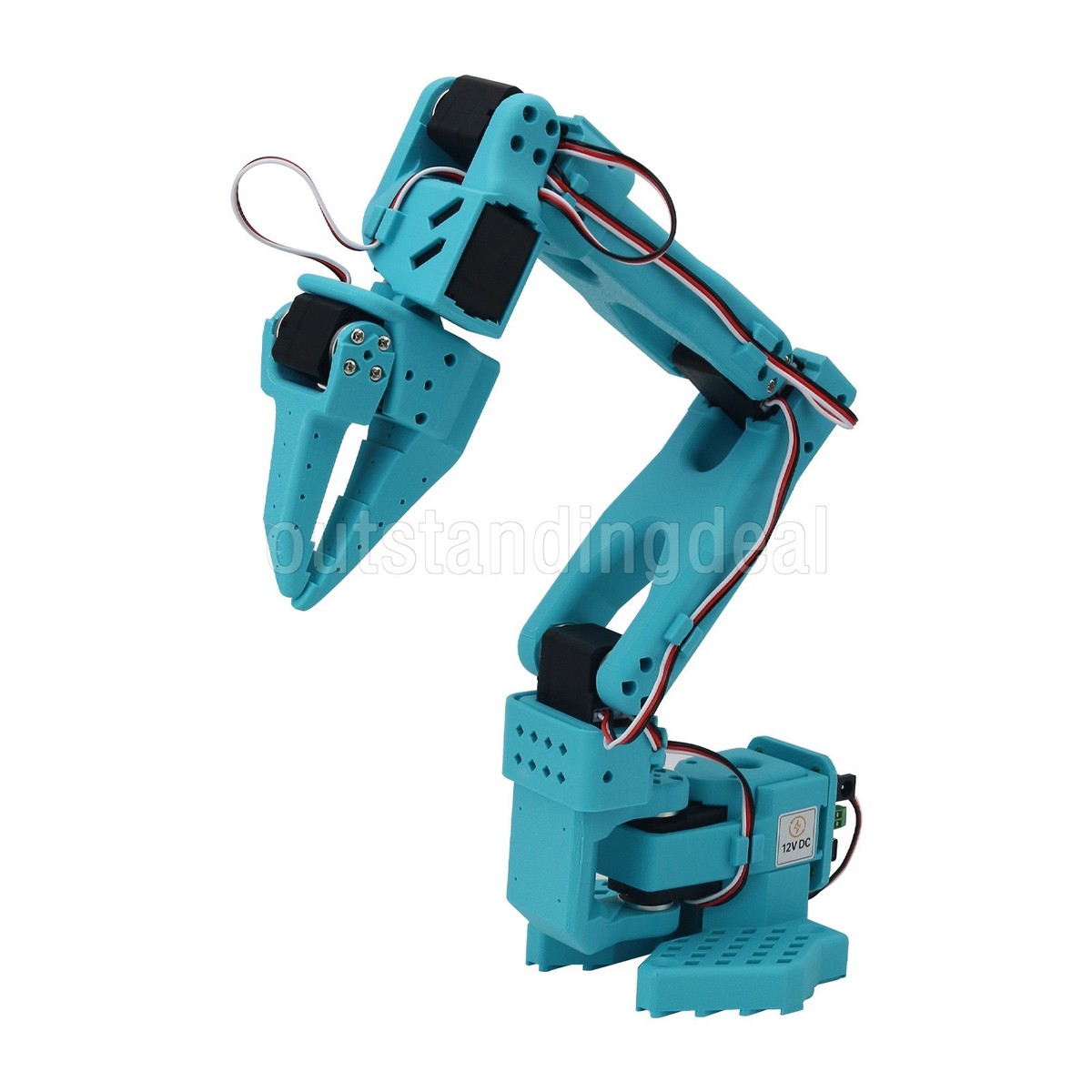
How It Works
See → Act → Speak → Repeat
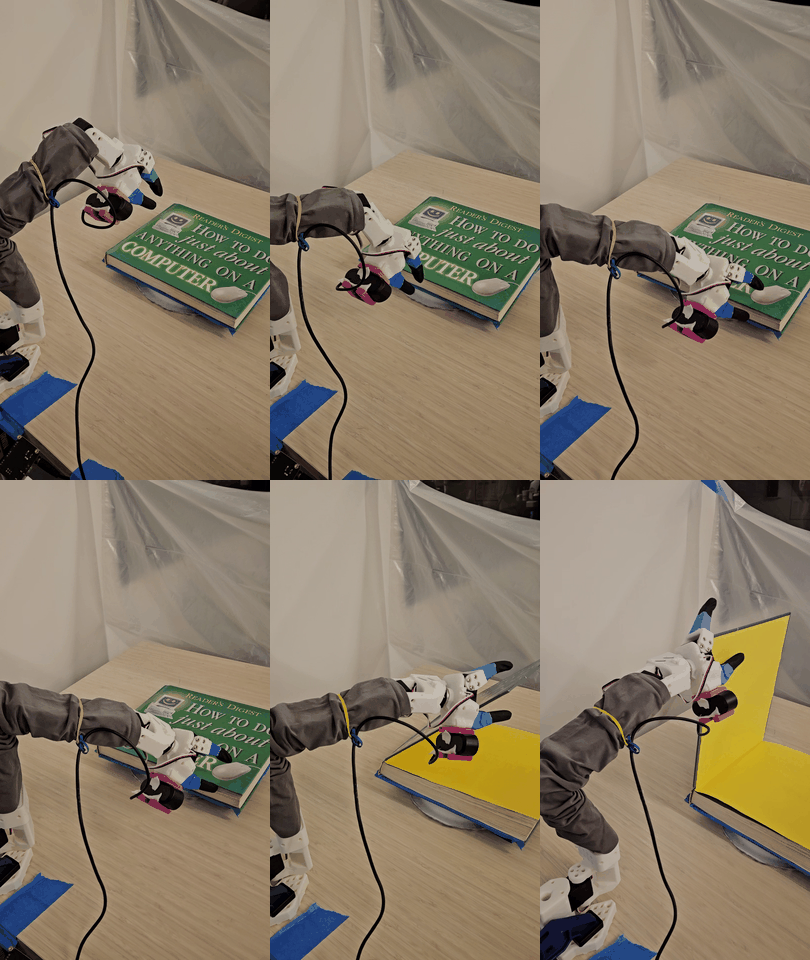
Open the book
Google Gemini assesses the scene. Book open or closed? The robot decides.
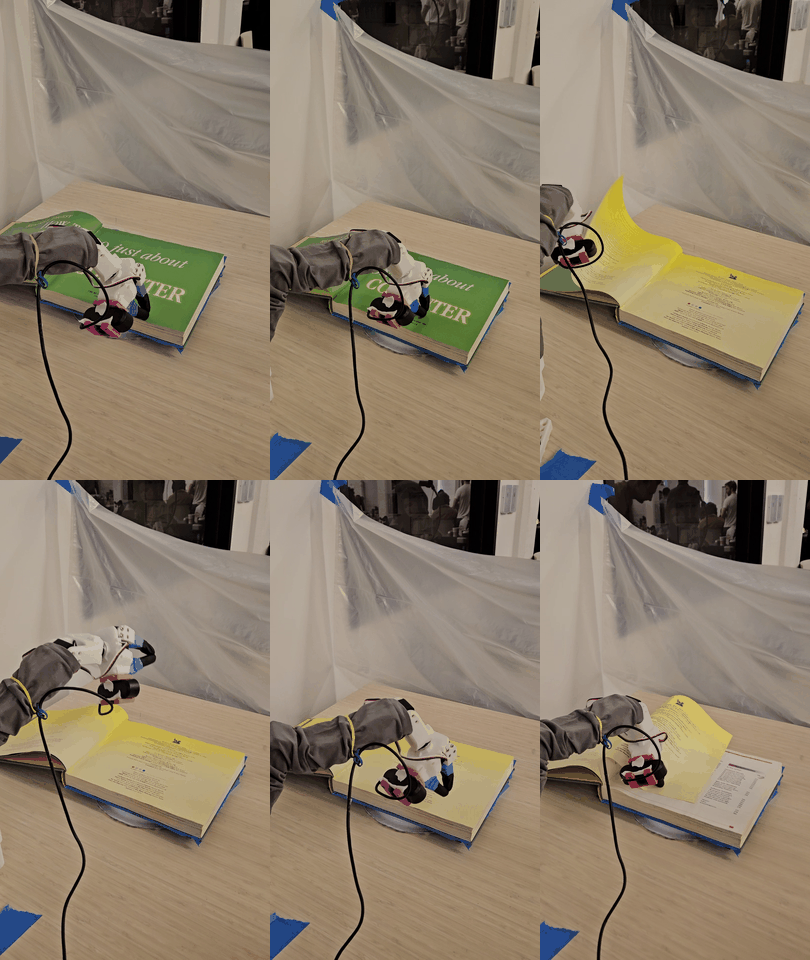
Turn the page
Learned motor policies — precise, gentle, repeatable. Retry on failure.
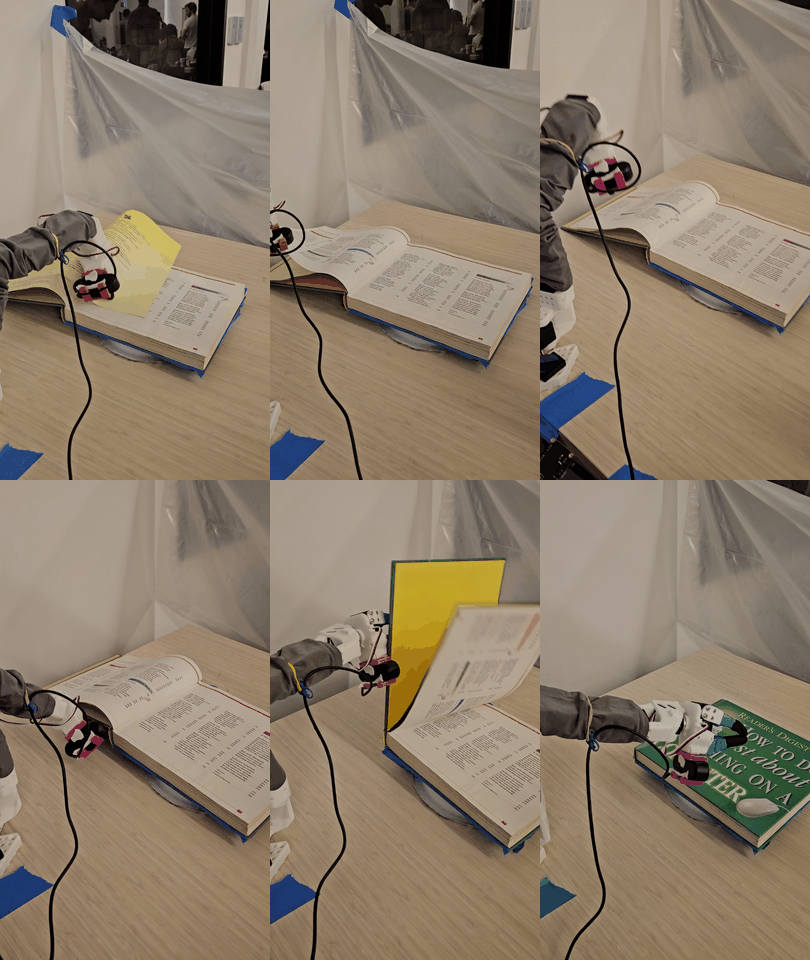
Settle & read aloud
Text streamed to voice. Sub-second latency. Any voice — even grandma’s.
Repeatable task execution with failure handling — no human in the loop.
The Roadmap
From school pilot to consumer companion
.jpg)
Four phases. One mission: build the world's largest paper manipulation dataset while serving 240 million children.
Team
Three engineers. One mission.
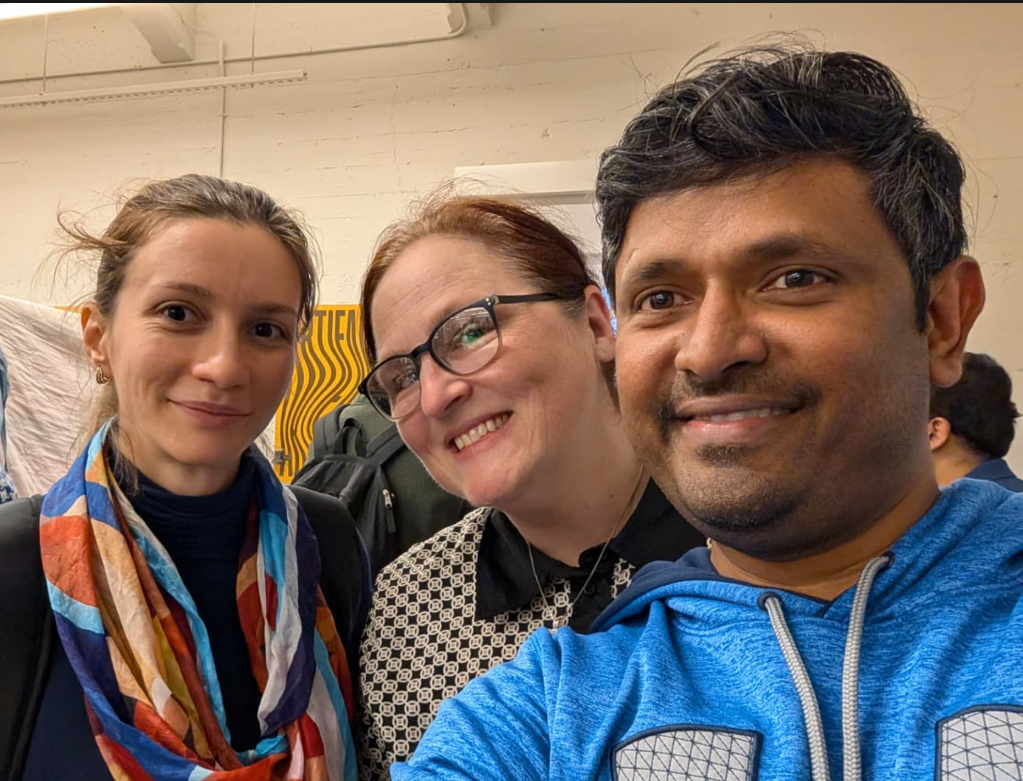
Alison Cossette
Vision pipeline, orchestrator, product strategy. AI researcher, Master’s-level AI at Northwestern. Mother of a child with reading disabilities.
Sudhir Dadi
Motor policies, voice pipeline, arm integration. Director of Engineering at Lumen, manages 40 engineers. Deep voice & audio expertise.
Andreea Turcu
Data pipeline, calibration, quality assurance. Head of Global Training at H2O.ai. The motor policies are only as good as the data she curates.
240 million children are waiting
for someone to read to them.
We built the reader.
...and the dataset.
ladybug.bot
ladybug.bot